Challenges & Objectives
/ Project Overview
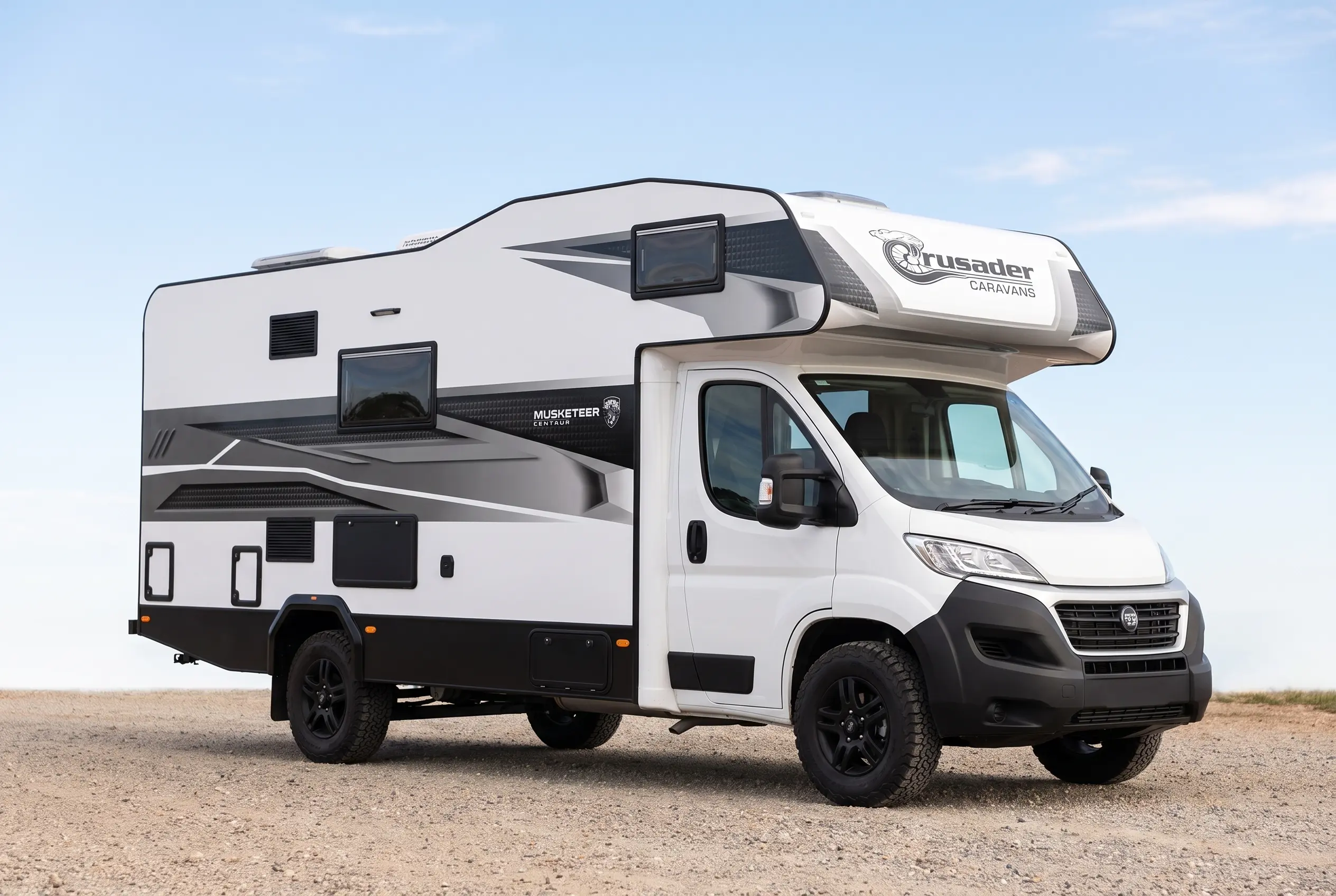
This project was developed in response to a product marketing presentation task for Crusader Caravans.
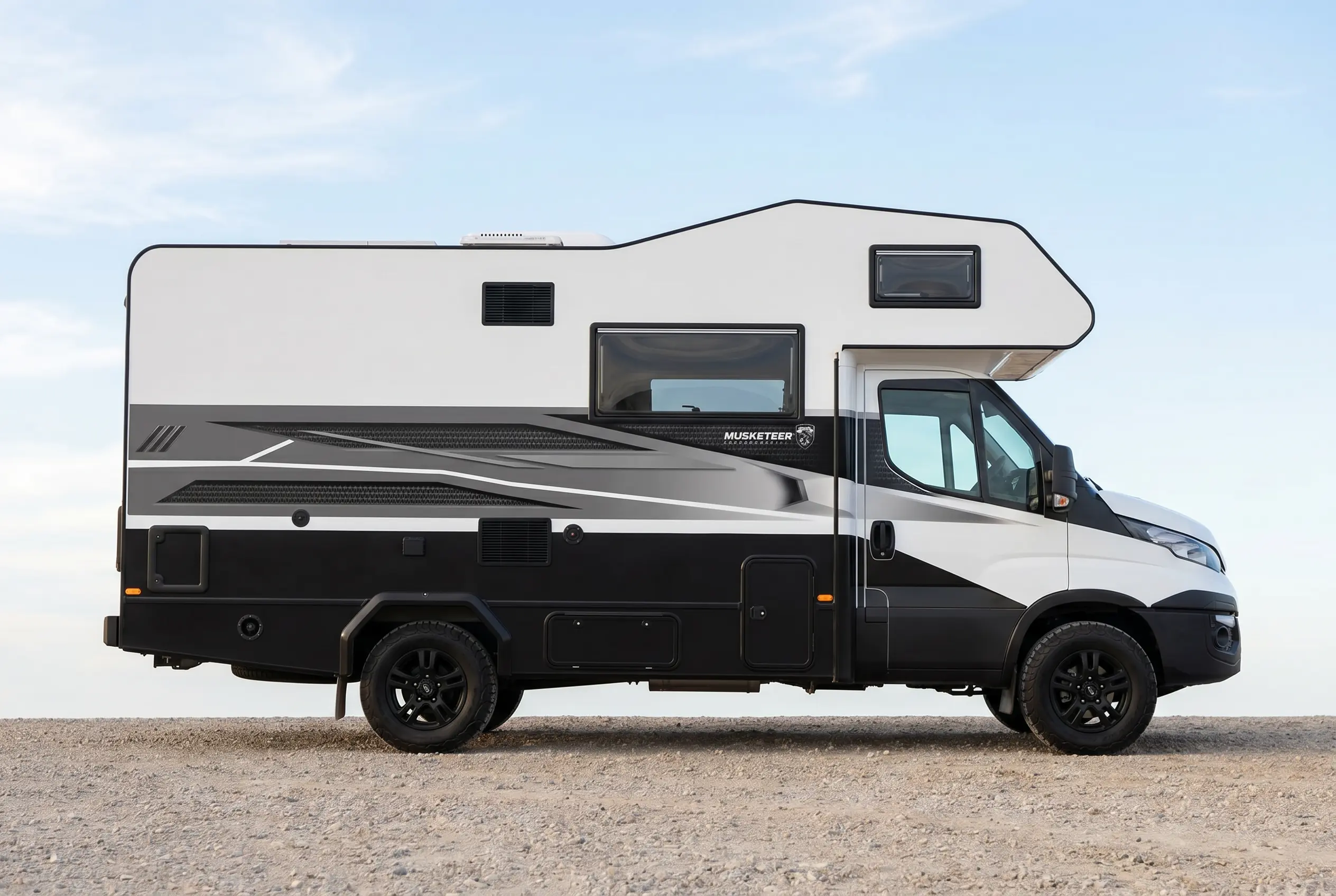
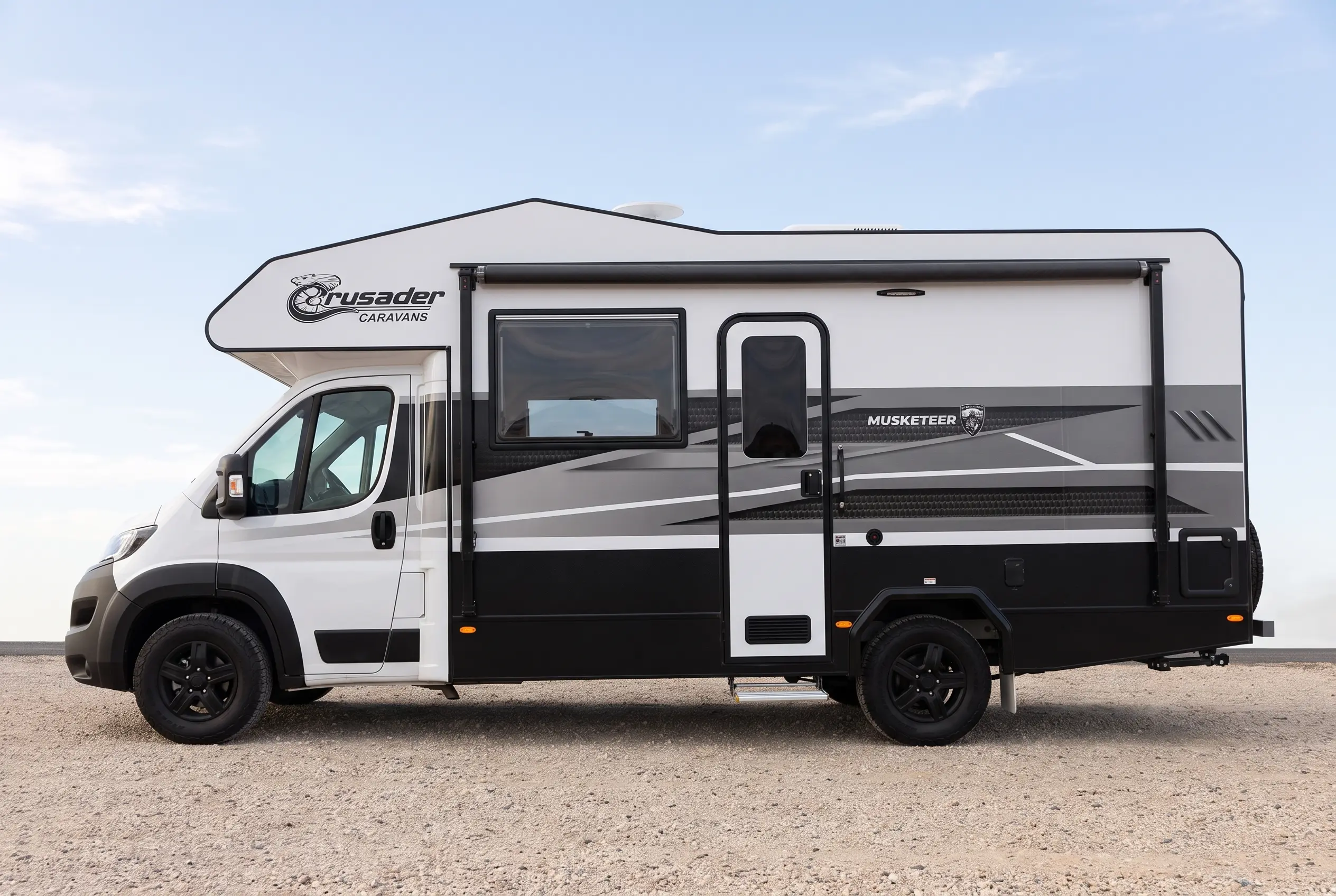
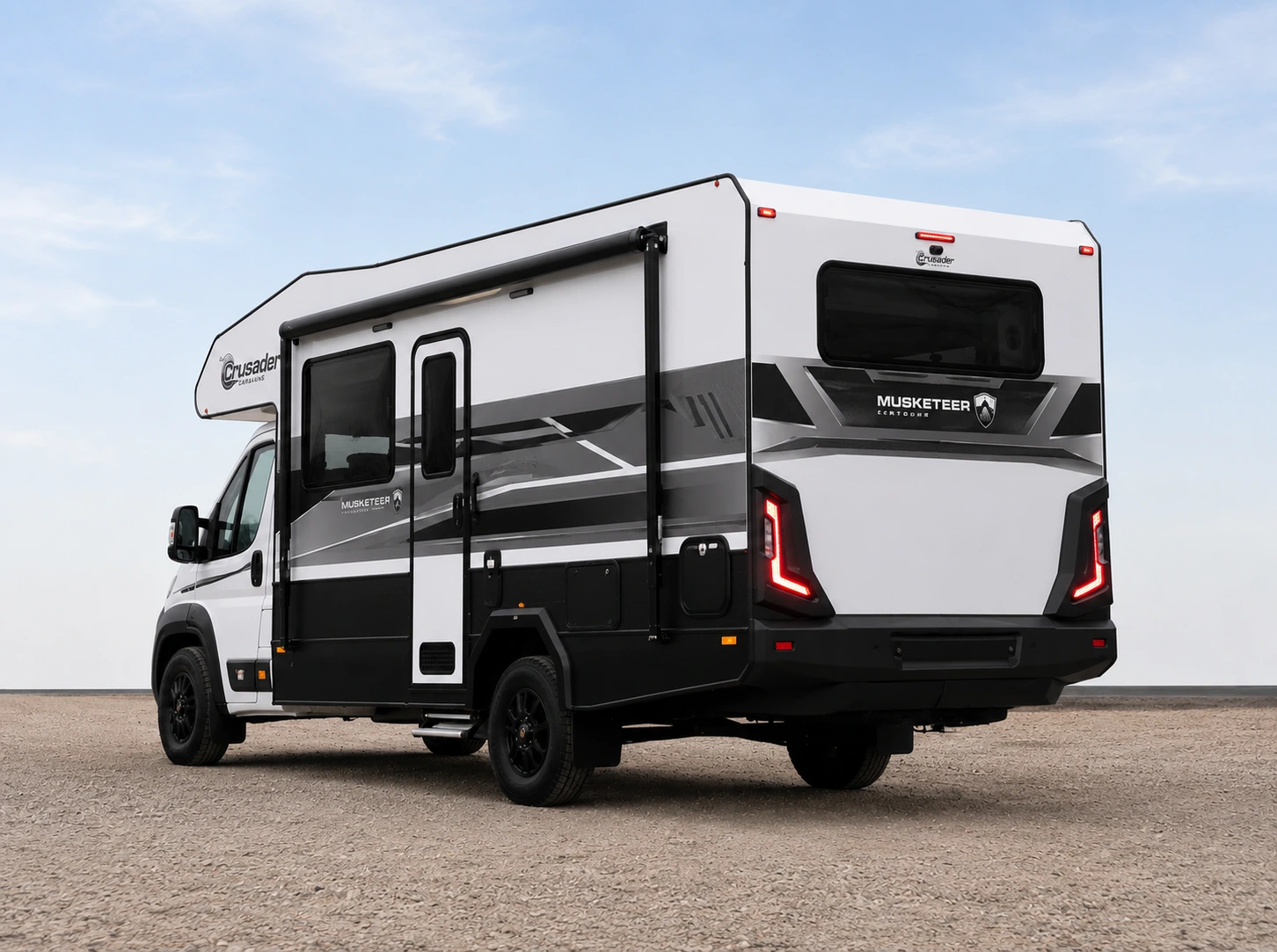
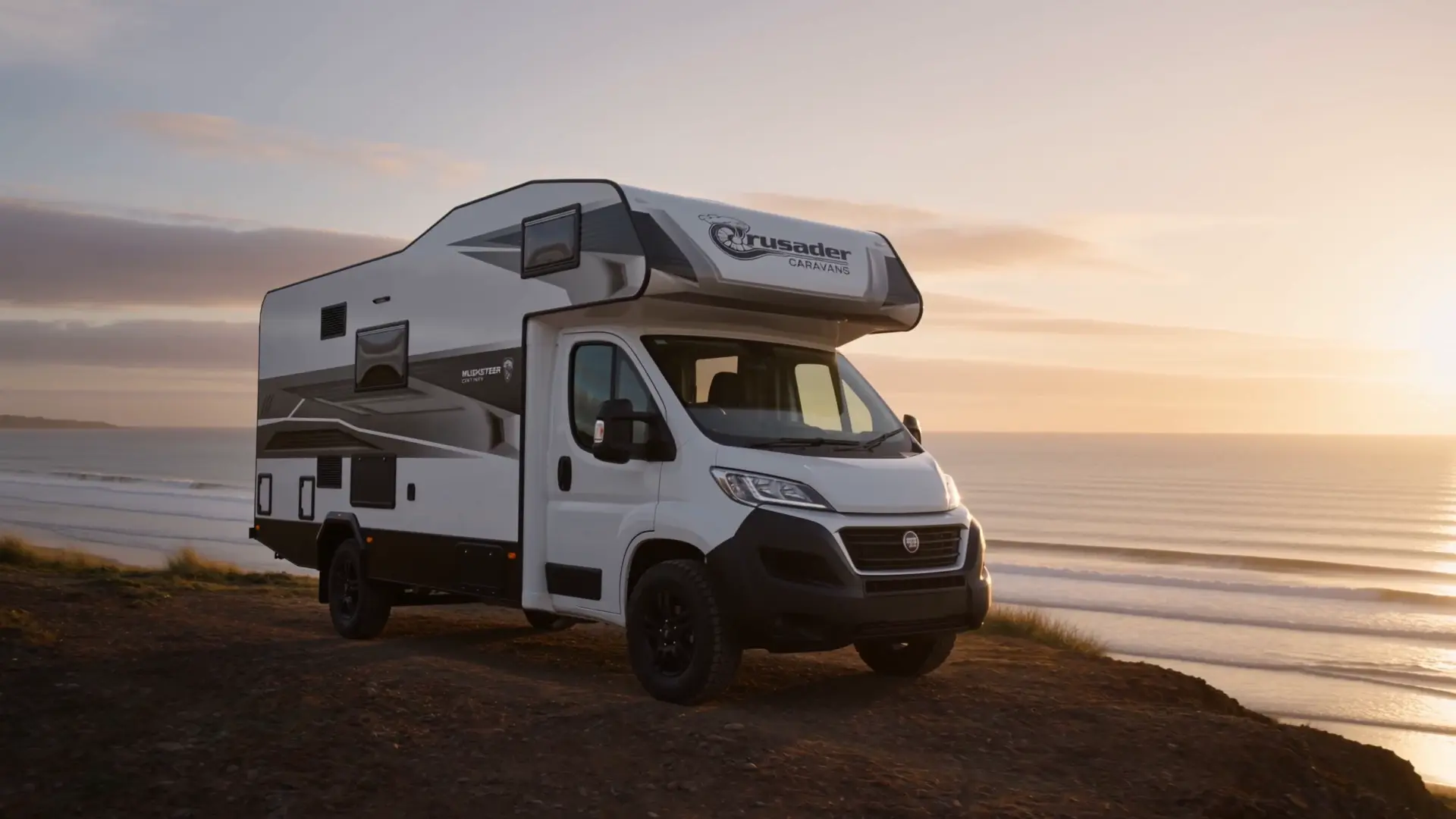
The brief was to prepare a high-level strategy campaign and key messaging for how Crusader might introduce a campervan to the Australian market.
The work focused on the strategic handoff between product and market. It explored how a known caravan brand could enter a motorised category without losing the brand equity already built through its existing range.
The final presentation included positioning, campaign angles, competitor framing, visual direction, launch sequencing, website copy structure, and production coordination.
/ Challenges
The core challenge was category shift.
Crusader’s existing range is built around towable caravans. A campervan changes the buyer journey because the customer is no longer only comparing layouts, finishes, and towing confidence. They are comparing driven vehicles, motorised touring options, setup time, daily usability, and entry barriers.
The second challenge was strategic restraint.
Final product specifications such as length, berths, drivetrain, payload, chassis, and pricing were not confirmed. The strategy needed to hold without inventing technical details or making unsupported claims.
The third challenge was brand continuity.
The concept needed to show how Crusader could enter a new category while still feeling like Crusader. The product could not appear like a detached experiment. It needed to carry the same brand logic into a new silhouette.
/ Objectives
The project set out to:
- Define a clear positioning platform for a new campervan category.
- Translate Crusader’s existing manufacturing credibility into a new product story.
- Identify campaign angles for different buyer groups.
- Map the competitive space and show where Crusader could fit.
- Create a launch sequence across teaser, reveal, and sustain phases.
- Show how product marketing could coordinate R&D, sales, dealers, website content, social content, EDM, video, SEO, and photography.
- Demonstrate how technical information could become clear buyer-facing copy.
/ Creative Process
The process began with category framing.
The first strategic decision was to treat the campervan as a new category, not a new colourway or range extension. Every Crusader model on the road today is towed. A campervan is driven. That shift changes the competitor set, the customer objections, and the role marketing needs to play.
From there, the positioning was built around the line:
“Built for the Road You Actually Take.”
This line was designed to connect Crusader’s existing reputation with a more flexible touring use case. It gives the campaign a claim that can work across brochures, dealer conversations, launch videos, web copy, social media, and paid advertising.
The campaign thinking then split into four angles, with one lead direction:
“Built Like a Caravan. Drives Like an Escape.”
This lead angle focused on the credibility of Crusader’s construction record, rather than relying only on broad lifestyle claims.
A support angle, “Fewer Steps. More Sunsets,” was developed for first-time buyers who may want the lifestyle but feel uncertain about towing, reversing, levelling, or setup.
The go-to-market section then translated the strategy into execution. This included launch sequencing, asset planning, dealer readiness, website copy, SEO/AEO, EDM, social content, photography, video production, livestream planning, and a change register for live asset accuracy.
/ Results
The final output was a complete product marketing concept presented as a strategic deck and supported by speaker notes.
The project demonstrated how a product marketing coordinator can move from an open brief to a structured go-to-market plan.
It showed thinking across:
- Positioning
- Buyer personas
- Campaign messaging
- Competitor context
- Brand architecture
- Launch planning
- Content coordination
- Website copy
- Dealer and sales enablement
- Cross-functional workflow