Challenges & Objectives
/ Project Overview
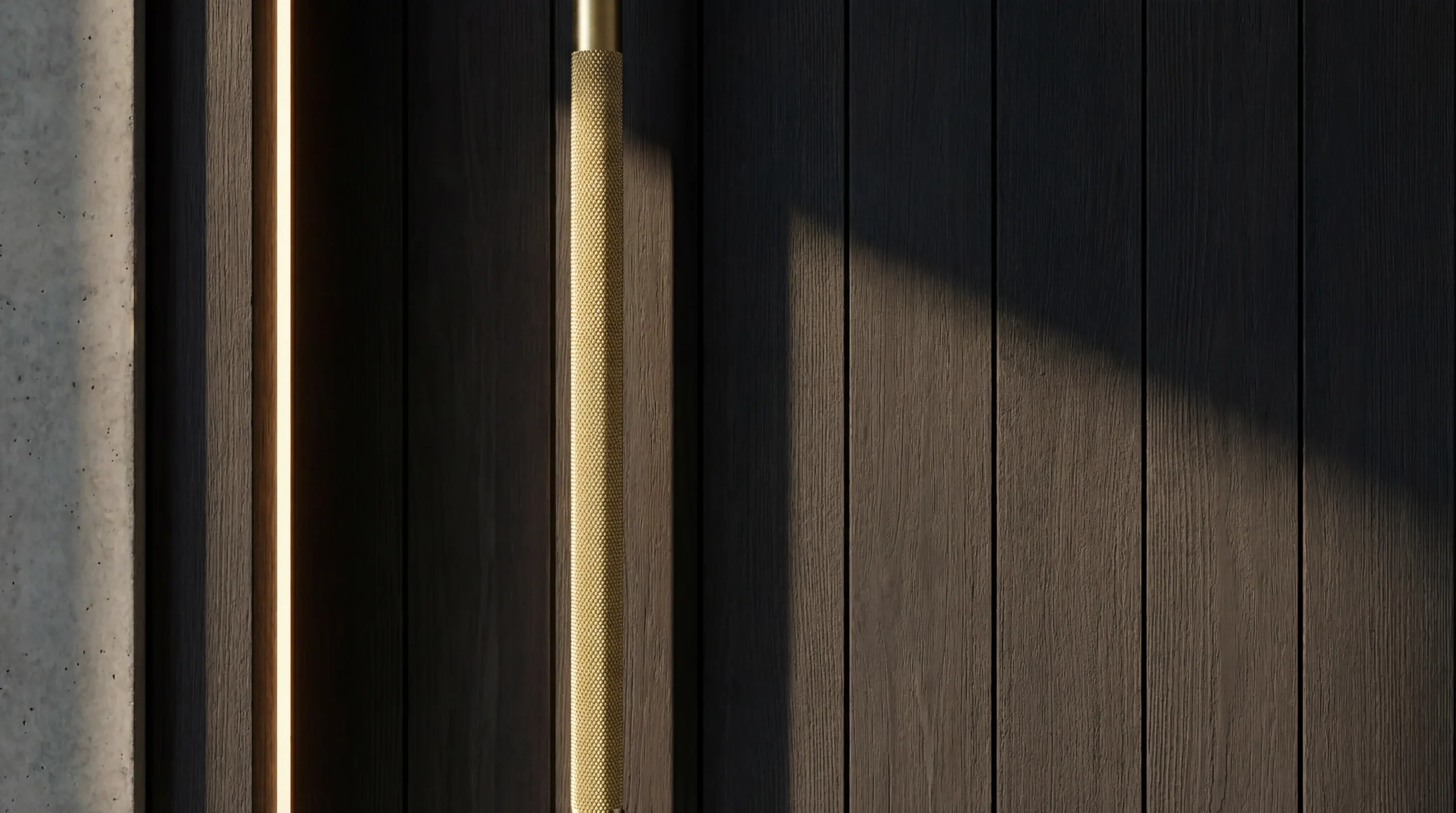
This campaign was created without a client brief and developed within Designer Doorware’s existing visual language and product ethos. The intent was to explore a quieter, more considered form of communication, focusing on material, proportion, and restraint instead of overt branding or product claims.
/ Challenges
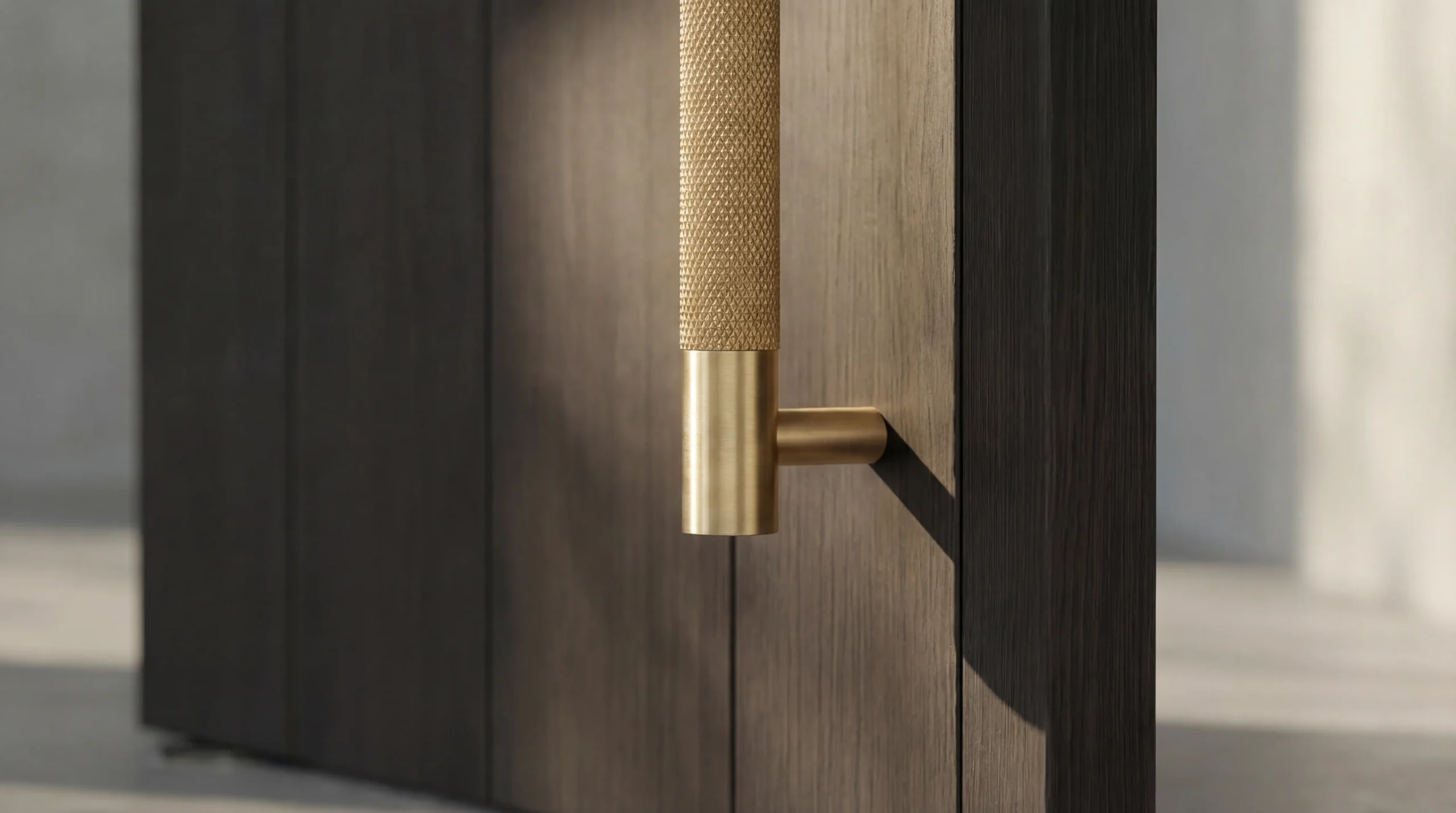
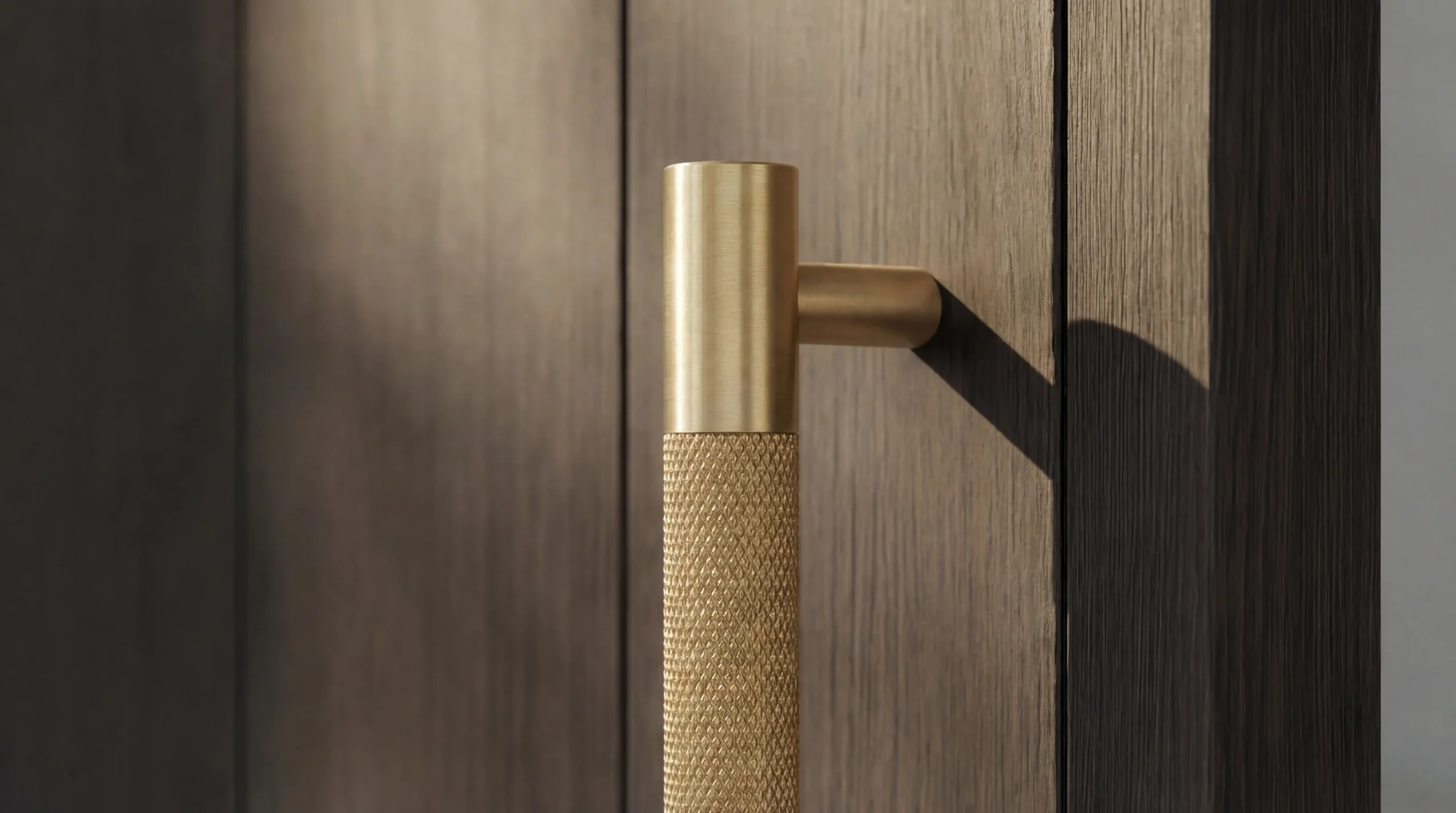
The primary challenge was motion control. AI video tools often distort hard-surface objects when perspective changes, making it difficult to maintain the exact geometry of the brass handle while introducing movement.
Achieving this required strict constraints on camera behaviour and lighting. A secondary challenge was knowing when to stop, as excessive motion or detail would undermine the sense of control and refinement the brand represents.
/ Objectives
The project set out to:
- Show door hardware as an architectural decision.
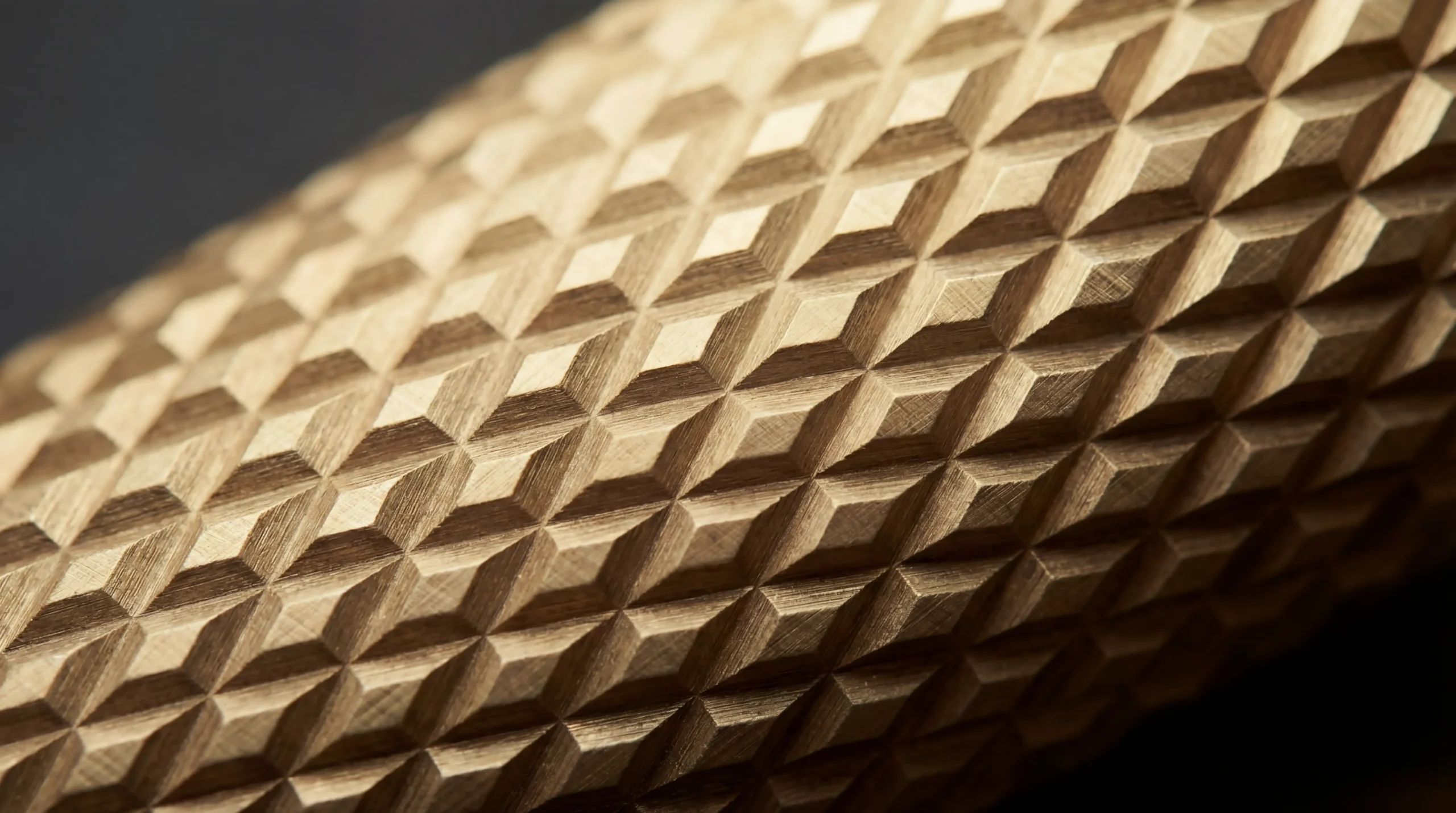
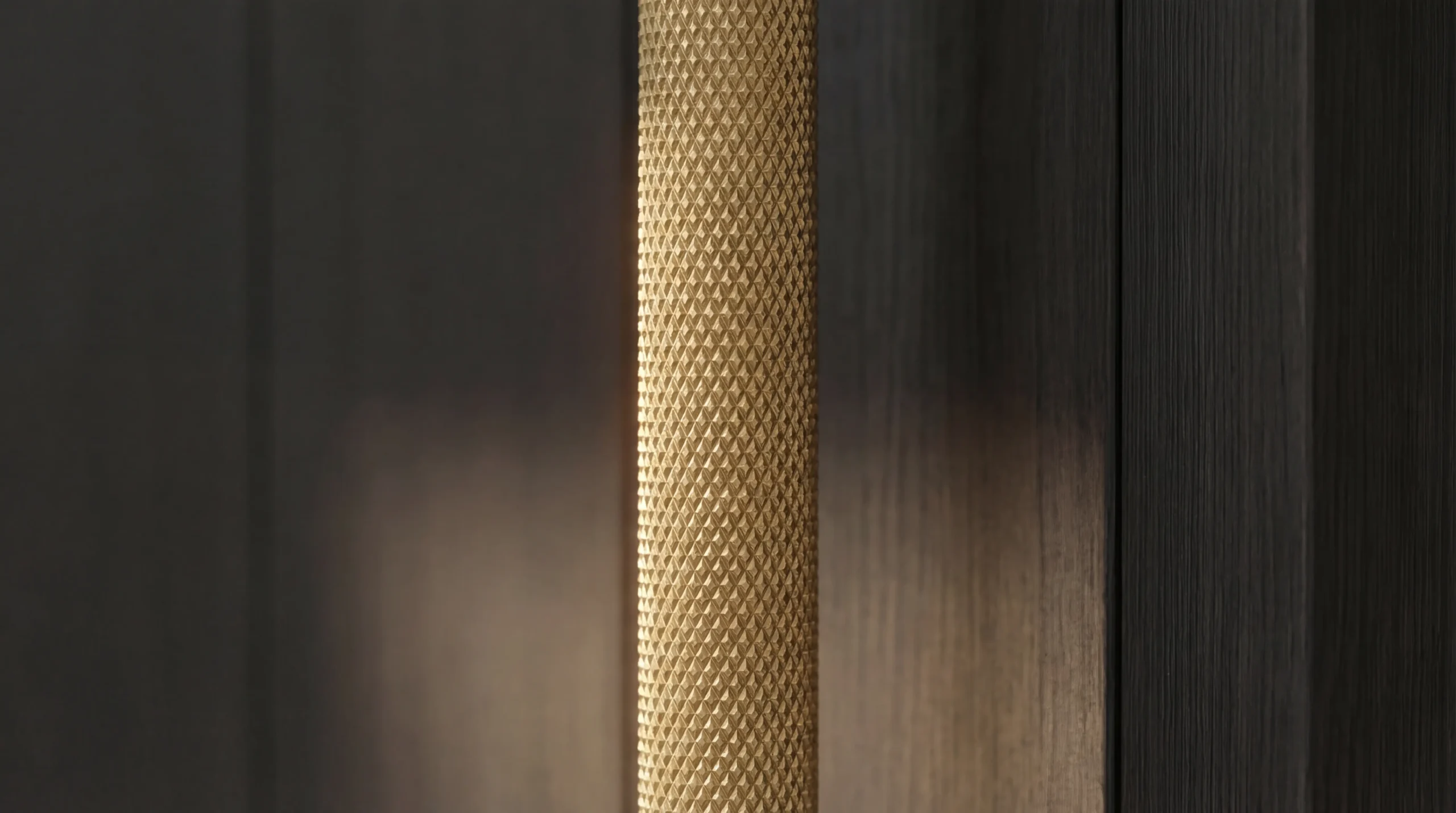
- Highlight material quality and surface detail without exaggeration.
- Demonstrate disciplined use of AI as a production tool, not a visual gimmick.
- Create work that feels appropriate for a premium design audience.
/ Creative Process
The process began with careful still image selection and composition. Motion testing focused on minimal camera movement, controlled zooms, and micro parallax instead of rotation or spectacle. Prompts were refined through repeated testing to prevent geometry drift and object hallucination. Lighting and shadow were treated as primary storytelling tools, allowing the product to reveal itself gradually. Each decision was made to reduce noise and increase clarity.
/ Results
The final outcome is a restrained visual study that aligns with Designer Doorware’s design values. The campaign demonstrates taste, judgement, and control rather than scale or volume, showing how AI can support high-end design communication when used with intent and clear limits. The work stands as a proof of concept for architectural brands seeking to adopt emerging tools without compromising credibility.